We have been stopping locally and find this lovely restaurant whilst wandering about . Lovely people serving . Lovely and cool inside both of our meals came in good time and were beautiful and tasty . My wife's chocolate desert in her words was one of the best she's every had . Highly recommend.
Overview
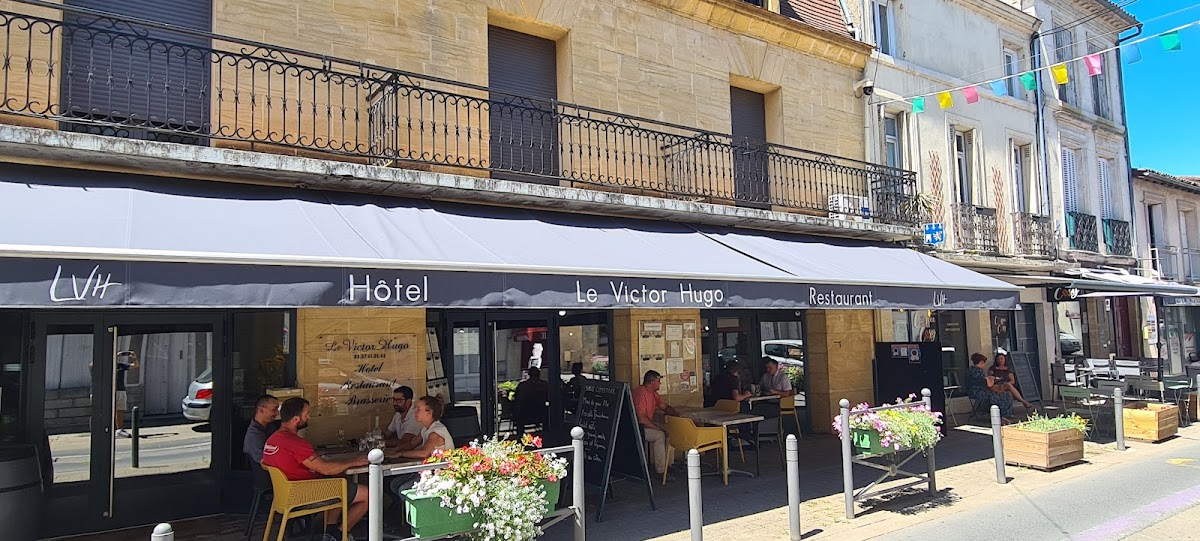
Walking into The Victor Hugo feels like stepping into the daily rhythm of Sainte-Foy-la-Grande rather than a staged dining room. I first stopped by on a weekday lunch, when locals drifted in after the market, jackets still smelling faintly of bread and rain. That kind of crowd usually tells you more than any polished review ever could. Located at 101 Rue Victor Hugo, 33220 Sainte-Foy-la-Grande, France, this diner-style restaurant blends the comfort of a neighborhood café with the confidence of a kitchen that knows exactly what it’s doing.
The menu reads like a conversation between tradition and practicality. You’ll see classic French plates-steak-frites, duck confit, seasonal fish-alongside lighter options that reflect how people actually eat now. When I asked the server how often the menu changes, she explained that it shifts with availability, especially produce from nearby farms. That checks out with what the French Ministry of Agriculture has reported in recent years: over 70% of small restaurants in rural France rely on local suppliers to manage costs and ensure freshness. You taste that immediacy here, especially in the vegetables, which arrive crisp and unmasked by heavy sauces.
One dish that stood out was the daily special, explained as bolded plat du jour on the chalkboard. It was a slow-braised pork shoulder with lentils, cooked low and long. The process is simple but unforgiving: steady temperature, patience, and good raw ingredients. Miss one step and the texture falls apart in the wrong way. Here, it landed perfectly, the kind of plate that makes you slow down without realizing it. That method aligns with techniques taught at institutions like Le Cordon Bleu, where braising is emphasized as a foundation of French home and professional cooking.
Drinks are handled with the same no-nonsense approach. Local wine dominates the list, particularly bottles from Bordeaux and the surrounding Gironde area. According to data from the Bordeaux Wine Council, regional wines account for nearly 90% of consumption in southwest France, and The Victor Hugo clearly leans into that habit. The house red was straightforward, affordable, and designed to work with food rather than compete for attention.
What really defines this place, though, is consistency. I came back a few weeks later for dinner, and while the menu had rotated slightly, the experience stayed solid. Tables filled quickly, conversations overlapped, and the staff kept things moving without rushing anyone out. Online reviews often mention this balance, praising the relaxed service and dependable portions. That kind of feedback matters; a 2023 BrightLocal study showed that most diners trust recent, experience-based reviews more than professional critics when choosing where to eat.
There are limits worth noting. This isn’t a destination for experimental cuisine or elaborate tasting menus, and if you’re looking for late-night dining, hours can be unpredictable outside peak seasons. Still, that honesty is part of the appeal. The Victor Hugo doesn’t pretend to be anything other than a well-run local restaurant that understands its location, its customers, and its craft.
Spending time here feels less like trying a new spot and more like being folded into a routine that’s already working. The combination of a grounded menu, reliable sourcing, and genuine hospitality explains why so many people treat it as their default choice in town. In a dining world that often chases novelty, there’s something quietly confident about a place that just gets the basics right and keeps doing them, day after day.
Good to know
From the business
✓ Identifies as women-ownedService options
✓ Outdoor seating ✓ Takeaway ✓ Dine-in ✓ DeliveryHighlights
✓ Great beer selection ✓ Great cocktails ✓ Great coffee ✓ Great dessert ✓ Great wine listPopular for
✓ Breakfast ✓ Lunch ✓ Dinner ✓ Solo diningAccessibility
✓ Wheelchair-accessible car park ✓ Wheelchair-accessible entrance ✓ Wheelchair-accessible seating ✓ Wheelchair-accessible toiletOfferings
✓ Alcohol ✓ Beer ✓ Cocktails ✓ Coffee ✓ Healthy options ✓ Spirits ✓ Vegan options ✓ Vegetarian options ✓ WineDining options
✓ Breakfast ✓ Lunch ✓ Dinner ✓ Catering ✓ Dessert ✓ Seating ✓ Table serviceAtmosphere
✓ Casual ✓ Cosy ✓ Quiet ✓ TrendyCrowd
✓ Groups ✓ TouristsPlanning
✓ Lunch reservations recommended ✓ Dinner reservations recommended ✓ Accepts reservationsPayments
✓ Credit cards ✓ Debit cards ✓ NFC mobile payments ✓ Pluxee ✓ Credit cardsChildren
✓ Good for kids ✓ High chairs ✓ Kids' menuParking
✓ Free of charge street parking ✓ Free parking lotPets
✓ Dogs allowed inside ✓ Dogs allowed outsidePhotos
1 / 4
Location
Reviews
- No ratings yet 500 reviews
Really excellent lunch menu and so affordable, I repeated this place 3 times during my holiday!
We stopped by here on a cool rainy Saturday for lunch with last minute reservations and what a lovely surprise. The ambiance was warm and welcoming, and the crowd was French which is always a good sign. The traditional French cuisine was incredible and the wines they suggested wonderful and reasonable. Our compliments to the Chef and the staff at this lovely restaurant. We highly recommend and look forward to visiting again,
We enjoyed a wonderful lunch here, with a delicious set menu. They had a highchair and were very accommodating to children. Plus, when we couldn’t find a taxi they offered to help, even though they were on their lunch break. Thank you so much!
Great funky place to stay. Be aware there are many stairs. Rooms are functional and clean. Owner is a gem.
Exceptional food, wonderful hosts. Our favourite restaurant